PHOTO
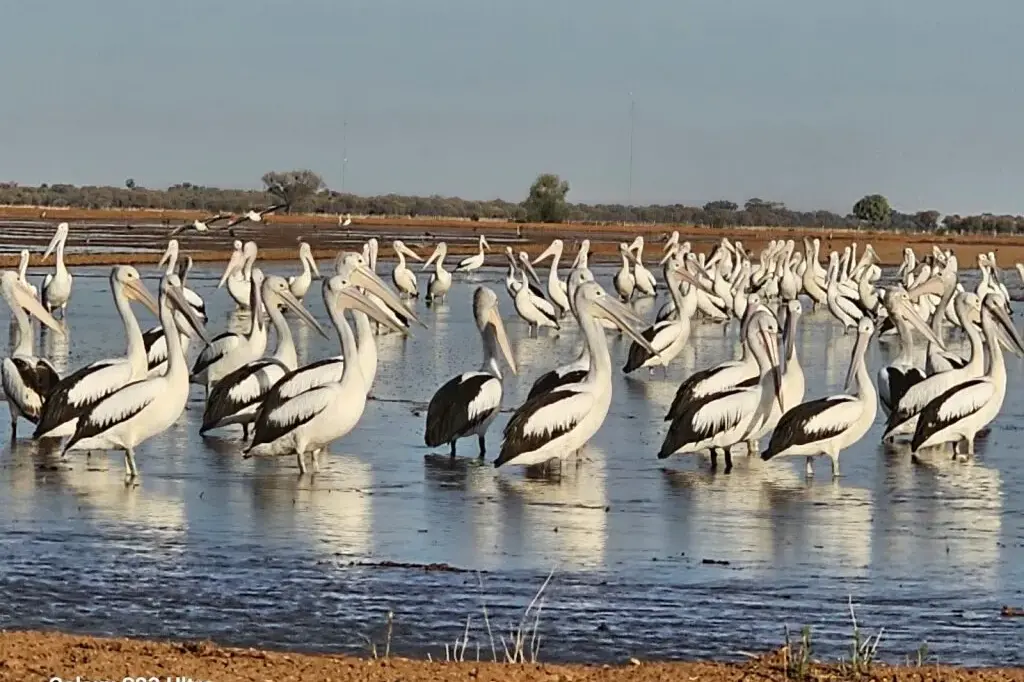
This World Wetlands Day, NSW Irrigators’ Council (NSWIC) is highlighting the central role irrigators play in managing and protecting over 20,000 wetlands across NSW – most of them located on private land.
NSWIC CEO Dr Madeleine Hartley said many people may not realise that private landholders are the quiet custodians of wetlands, actively managing water to support habitat, biodiversity and river health alongside critical food and fibre production.
“From the Gwydir Valley to the Riverina, irrigators are investing time, infrastructure and expertise to sustain wetlands that deliver environment, economic and social benefits. These outcomes don’t happen by accident – they are the product of practical, on-ground management,” Dr Hartley said.
Dr Hartley added World Wetlands Day this year comes at a critical time, with the 2026 Murray-Darling Basin Plan review about to commence.
“The review must have buy-in from landholders and communities to achieve long-term successful outcomes that will future proof both the irrigation industry and those wetlands on private lands that need governments and irrigators to work together to deliver environmental outcomes.
“The next phase of Basin reform must move beyond the idea that environmental outcomes come from simply ‘adding more water’. Governments should prioritise integrated catchment measures and fully optimise the environmental water already recovered, rather than defaulting to further water buybacks,” she said.
“The Basin Plan Review must provide certainty, workable policy settings and genuine partnership with landholders so wetlands and regional communities can thrive together.”
“Our irrigators are globally recognised as amongst the world’s most water-use efficient in the world, producing more crop per drop than many of their international counterparts.”
“World Wetlands Day is a timely reminder that collaboration from all levels of government alongside growers is essential to ensuring healthy rivers and wetlands, along with thriving regional economies for now and generations to come.”