PHOTO
Narrandera residents welcomed autumn last Sunday, marking the first day of a new season as they farewelled the searing heat of a warmer than usual summer.
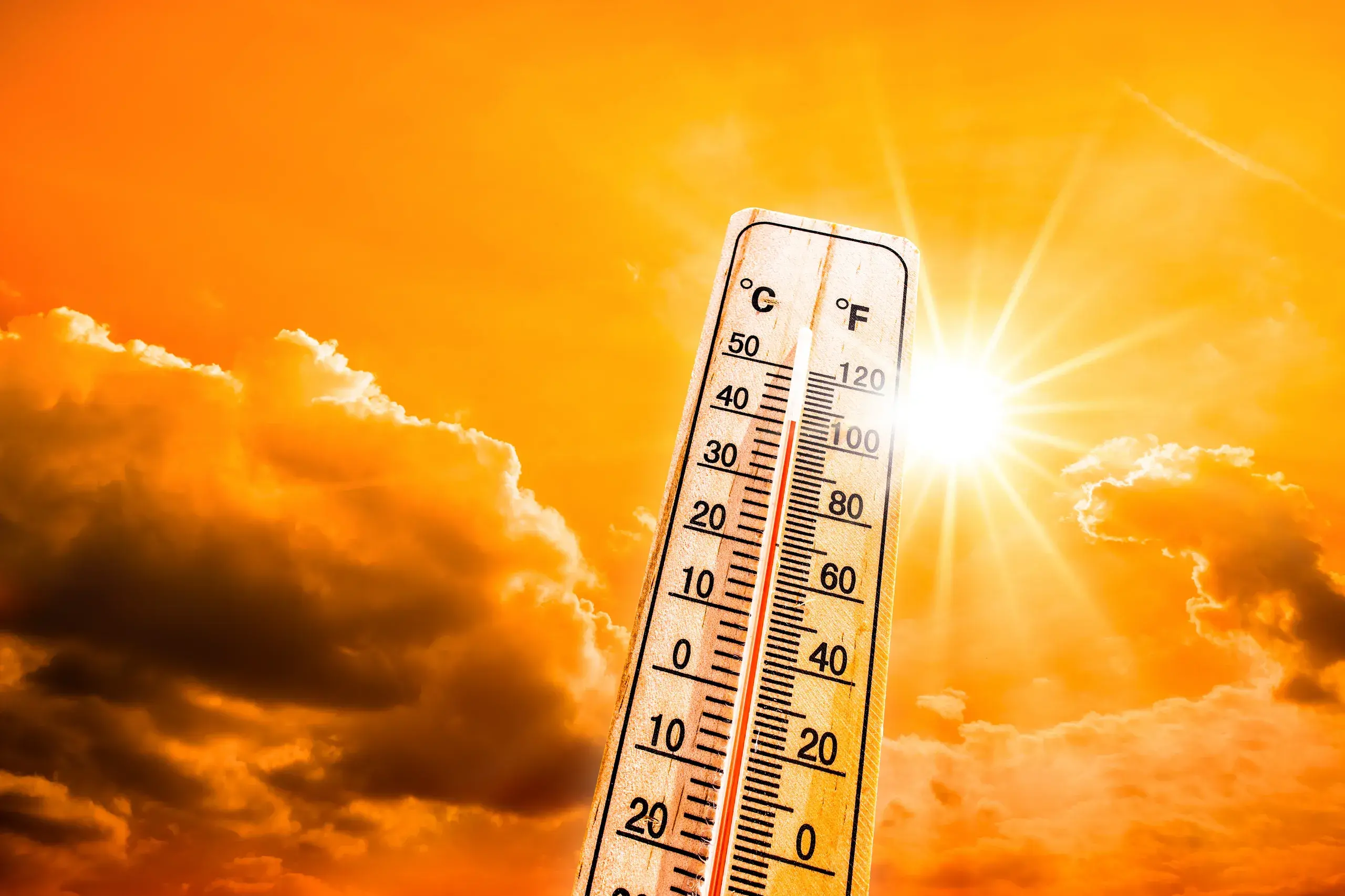
The average daily maximum in Narrandera for February, the last month of summer, was 34.1C, which is 1.9C higher than the average February temperature of 32.2C.
The mercury peaked at 40C or more on 15 occasions during summer – three days in December, 10 days in January and two in February.
Seven consecutive days in the last week of January culminated with Narrandera recording its hottest day this summer on two occasions when the temperature reached 46.4C on 28 and 30 January.
This summer’s hottest day in Narrandera was exactly one degree below the town’s warmest summer temperature at 47.4C, which was recorded on January 4, 2020.
The daily maximum temperature reached higher than 30C on 75 of summer’s 90 days – 19 in December, 30 in January and 26 in February.
Meanwhile, this summer’s lowest maximum temperature in Narrandera was on the first day of the new season on 1 December when the thermometer reached just 20.2C.
The coldest daily minimum temperature this summer in Narrandera was recorded on 3 December when the temperature plummeted to 7.3C.
The coldest summer minimum temperature ever recorded in Narrandera was on 13 January, 1975, when the mercury went down to 5.9C.
Narrandera recorded an average minimum temperature of 18.4C in February this year - 0.9C warmer than the overall February average minimum temperature of 17.3C.
In relation to rainfall, a total of 114mm of rain fell on Narrandera on a total of 13 days throughout the 90 days of summer.
Some 63.4mm was recorded over five days in the first month of summer in December, just 1.6mm on one day in January and 49mm over seven days in February.
The wettest day this summer in Narrandera was on 14 December when 30.8mm of rain fell.
The days are now starting to get shorter and the temperatures slightly cooler with the onset of autumn, but the warm weather is set to continue with another several days of temperatures forecast in the mid 30s.
Minimum temperatures over the past week have ranged between the mid to high teens, while maximum temperatures have hovered around the high 20s to low 30s.
It’s expected the first few weeks of autumn will be relatively dry, with little or no rain forecast for the next several days.
The Australian Bureau of Meteorology’s (BOM) forecast for autumn predicts a dry, hot three months as long-range forecasts show above-average temperatures and below-average rainfall for most of southern NSW, including the Riverina region.
The evenings are getting shorter and will be darker earlier when daylight saving kicks in on Sunday, 5 April, when the clocks are put back one hour.