PHOTO
A leading community group in the NSW Murray region has started preparations for next year’s Murray-Darling Basin Plan review.
The Murray Regional Strategy Group, comprising numerous farming and community organisations, has extensively researched and discussed Basin Plan implementation to this point and developed key points it says need to be addressed in the review process.
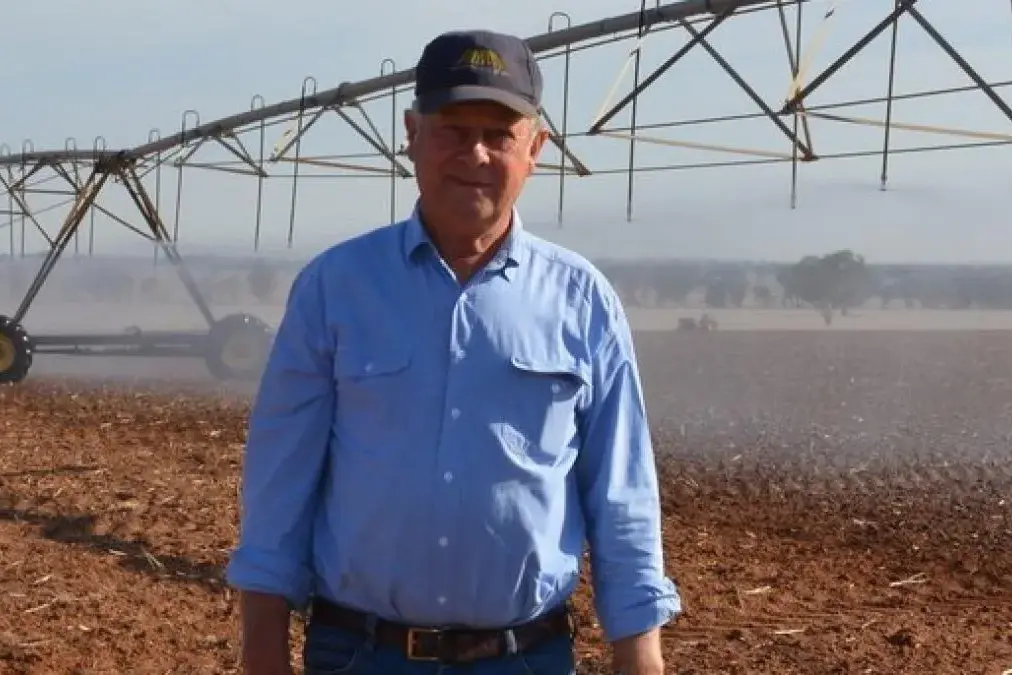
MRSG chair Geoff Moar said they fall under categories including:
• No further water recovery
• Changing flow target objectives
• Reviewing Coorong, Lower Lakes, Murray Mouth targets
• Amending MDBA ‘limits of change’
• Social and economic impact assessment
• Constraints management
• Food security obligations
“The review, with community input, needs to ensure there is a realistic assessment across each of these areas,” Mr Moar said.
“Everyone, including governments, the bureaucracy and communities has greater knowledge and better understanding of the Basin and its needs than we did when the Basin Plan was being developed.
“We know there are flaws in the original plan, not the least being the pointless exercise of recovering more water, which will not physically fit down the river system.
“There are elements of the plan that need adjusting. The trade-offs between producing food, sustaining regional communities and the benefits of water storages must be carefully balanced against future flow targets and environmental objectives,” Mr Moar said.
He added it is imperative the Basin Plan Review provides genuine community consultation and engagement, and the outcomes of the review aim to improve the Basin Plan and not prioritise political imperatives, as has occurred in the past.
“First and foremost there needs to be acceptance that we must shift away from water buybacks and focus on complementary measures that improve environmental outcomes.
“The review must be serious about social and economic impacts. In the past, local community concerns about these impacts have been dismissed, even to the point of data being misused against communities. We especially want the impact on small communities to be recognised.”
Mr Moar said constraints are a major issue, and the review needs to highlight the restrictions which will not allow existing flow targets to be met without elevated flooding risk to public and private property.
“Then there is the issue of food security, which affects all Australians. The review must address the risk of increased reliance on imports as we grow less food from reduced irrigated agriculture.
“Finally, can Australia’s national accounts sustain the ongoing costs of Basin Plan water purchases and infrastructure upgrades? Questions around food security and the plan’s taxpayer burden have not been addressed and this has to change during the review process,” Mr Moar said.