
PHOTO
Public consultation on the future of the Murray-Darling Basin Plan has begun, more than 13 years after the plan was first introduced.
A discussion paper was released on Thursday, highlighting the need to improve river management and connect floodplains and wetlands.
Consultation will be heard until 1 May, 2026, ahead of the basin plan review’s final report, which is set to be handed down later this year.
The discussion paper released by the Murray-Darling Basin Authority (MDBA) says the $13 billion plan, designed to manage water resources, needs to do more.
The MDBA, first established in 2007 when the federal government passed the National Water Act, officially started the basin plan review today.
The authority said several topics were of concern, including increasing First Nation peoples’ participation in water management.
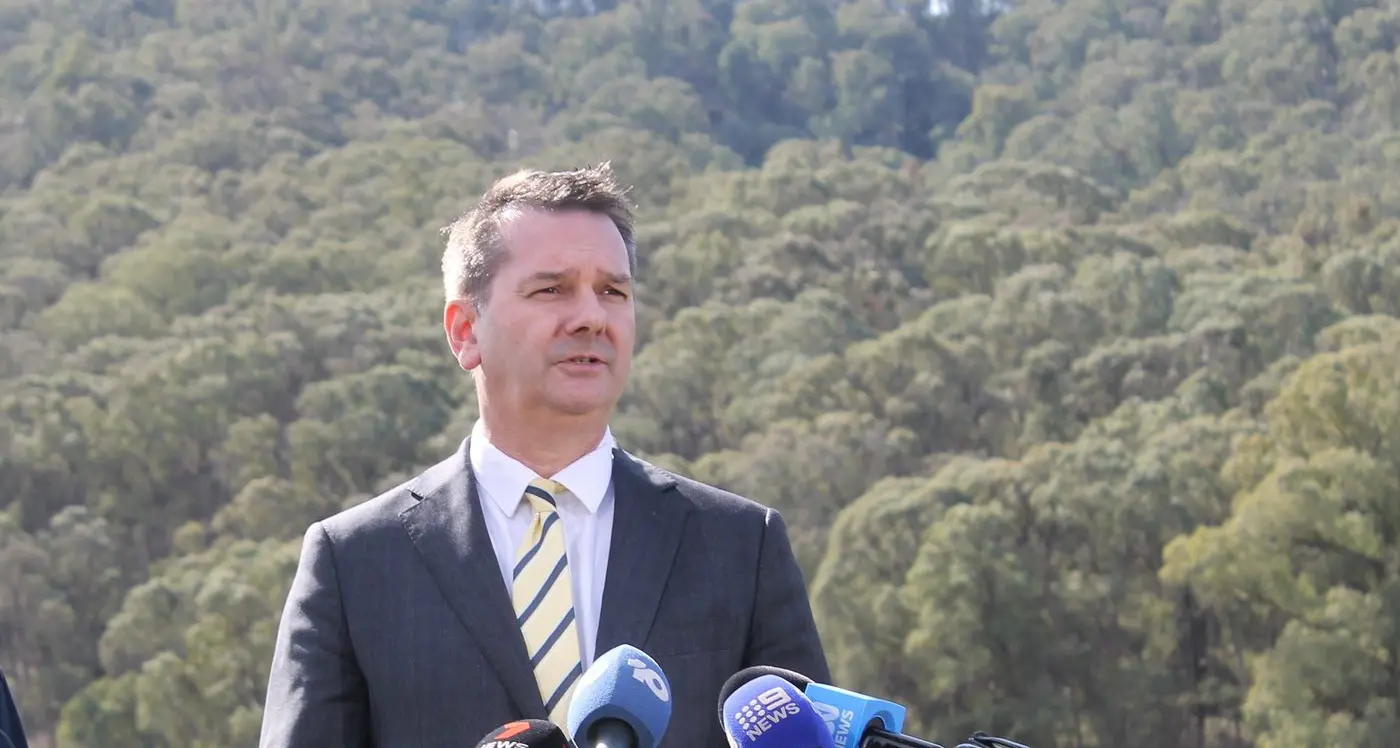
MDBA chief executive Andrew McConville said despite the plan showing improvements in some of the basin’s most important rivers and wetlands, more work needed to be done.
“There is certainly still more work to do … we would like to see the floodplains connected with the river system more,” he said.
“It's about looking at the system as a whole; I believe overall we’ve made significant progress in terms of restoring the health of the basin.”
Other key points included improving river connectivity in the northern basin, managing water quality and water infrastructure and critical human water needs.
It has been more than 13 years since the plan was signed into law by then-prime minister Julia Gillard on 22 November, 2012, after the Commonwealth reached an accord with each of the basin states.
The basin spans across four states: Queensland, NSW, Victoria and South Australia, as well as the ACT.
More than three million people rely on water from the Murray-Darling Basin, which is home to more than 50 Aboriginal cultural groups.
The next step of the plan is a period of public consultation, reviewing how the basin plan and water management can be improved.
Mr McConville said anyone living across the basin was encouraged to make a submission.
Once the public submission has closed, the MDBA will assess all the evidence and release its final report in late 2026.
Recommendations from the review will inform future water management decisions across the basin.
The MDBA said some outcomes would not be achieved with water only.
“It is going to be more challenging; we are going to have to use the water we’ve already got well,” Mr McConville said.
“We’re going to have to work together collaboratively and collectively to say what’s important to us as we look towards the future of the basin.”