PHOTO
Last week marked the first day of a new season as we farewelled spring and now prepare for the predicted scorching days of summer that inevitably lie ahead.
Winter left us chilled to the bone on many days when the mercury dropped to below zero figures, but it now seems in the distant past.
However, the trend continued in the first month of spring, in September, when temperatures reached below zero and barely crept above freezing on several days.
The coldest spring day this year was on September 2, when the temperature plummeted to a minimum of -0.9C.
Narrandera’s coldest ever November day of -1.2C was on 12 November last year, in comparison to this November’s coldest day, when the coldest minimum temperature reached 1.3C on 12 November.
The warmest minimum temperature this spring was recorded at 18.3C on 25 November.
In November this year, the last month of spring, Narrandera’s warmest maximum temperature was recorded at 37.8C on 24 November - well below the warmest ever maximum temperature recorded for November at 43C, in 2014.
This November’s average maximum temperature of 28.2C was in line with the overall November average maximum temperature of 28.4C.
This November’s average maximum temperature of 28.2C was much cooler than Narrandera’s warmest ever November on record when the average maximum temperature came in at 33.5C in 2009.
Narrandera’s final month of spring this year recorded an average minimum temperature of 12C – slightly warmer compared with the coldest November on record with an average minimum temperature of 10.1C in 1981.
In relation to rainfall, Narrandera’s wettest spring day this year was on 11 September when 37.2mm fell.
A total of just 42.4mm fell over seven days in the first month of spring in September, 17.6mm over five days in October and 22.2mm over eight days in November.
In total, 82.2 mm fell in Narrandera, on 20 days of the 91 spring days.
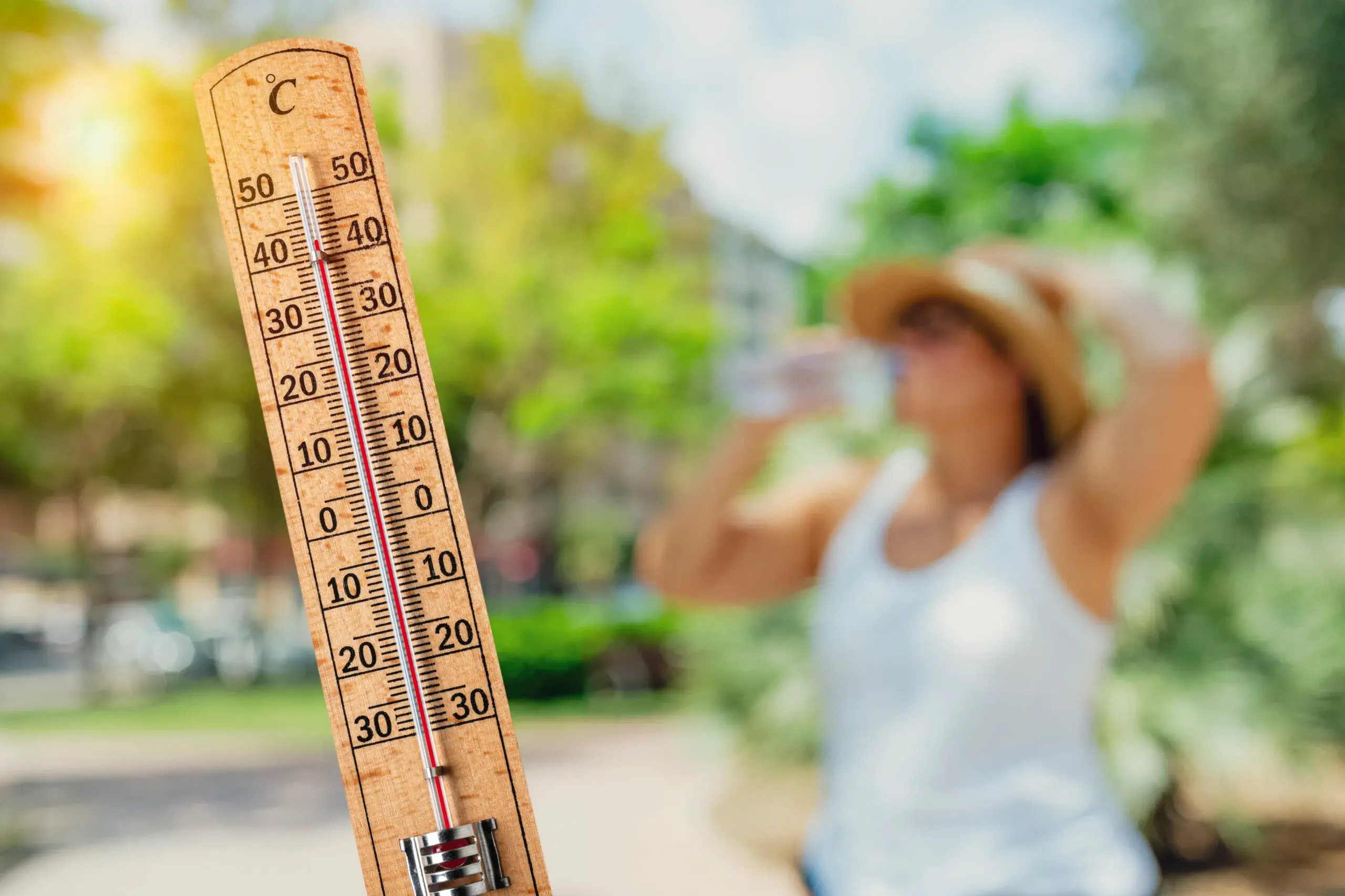
The next few days will be hovering between minimum temperatures of 17C to a maximum of 37C, with some possible falls of rain predicted over the weekend.
Meanwhile, the Bureau of Meteorology’s long-range forecast for summer predicts below average rainfall for the next few months.
The forecast for the 2025 summer season also shows that summer daytime temperatures and overnight temperatures are likely to be warmer than average across most of Australia.